Intermittent Fasting
· 3 min read
Intermittent fasting (IF) is one of those things that sounds harder than it actually is. Once you get past the first week or two, it becomes second nature. Here is what I have learned from practicing it.
What Is Intermittent Fasting?
Intermittent fasting is not a diet -- it is an eating pattern. It does not tell you what to eat, but when to eat. You cycle between periods of eating and fasting, and the magic is in giving your body extended time without food to trigger certain metabolic processes.
The Most Common Methods
- 16:8 -- Fast for 16 hours, eat within an 8-hour window. This is the most popular method and the one I would recommend for beginners. For example, eat between 12pm and 8pm, skip breakfast.
- 14:10 -- A gentler version. Fast for 14 hours, eat within 10 hours. Good for easing in.
- 5:2 -- Eat normally five days a week, restrict to 500-600 calories on the other two days.
- OMAD (One Meal a Day) -- Exactly what it sounds like. Advanced, and not for everyone.
How to Get Started
Start small and build up. If you have never fasted before, start with a 12-hour fast (most of which you will be asleep for) and gradually extend the window. A 14:10 pattern three days a week is a great starting point. As it becomes easier, increase the fasting window and the number of fasting days.
The Benefits
Research has shown several benefits of intermittent fasting:
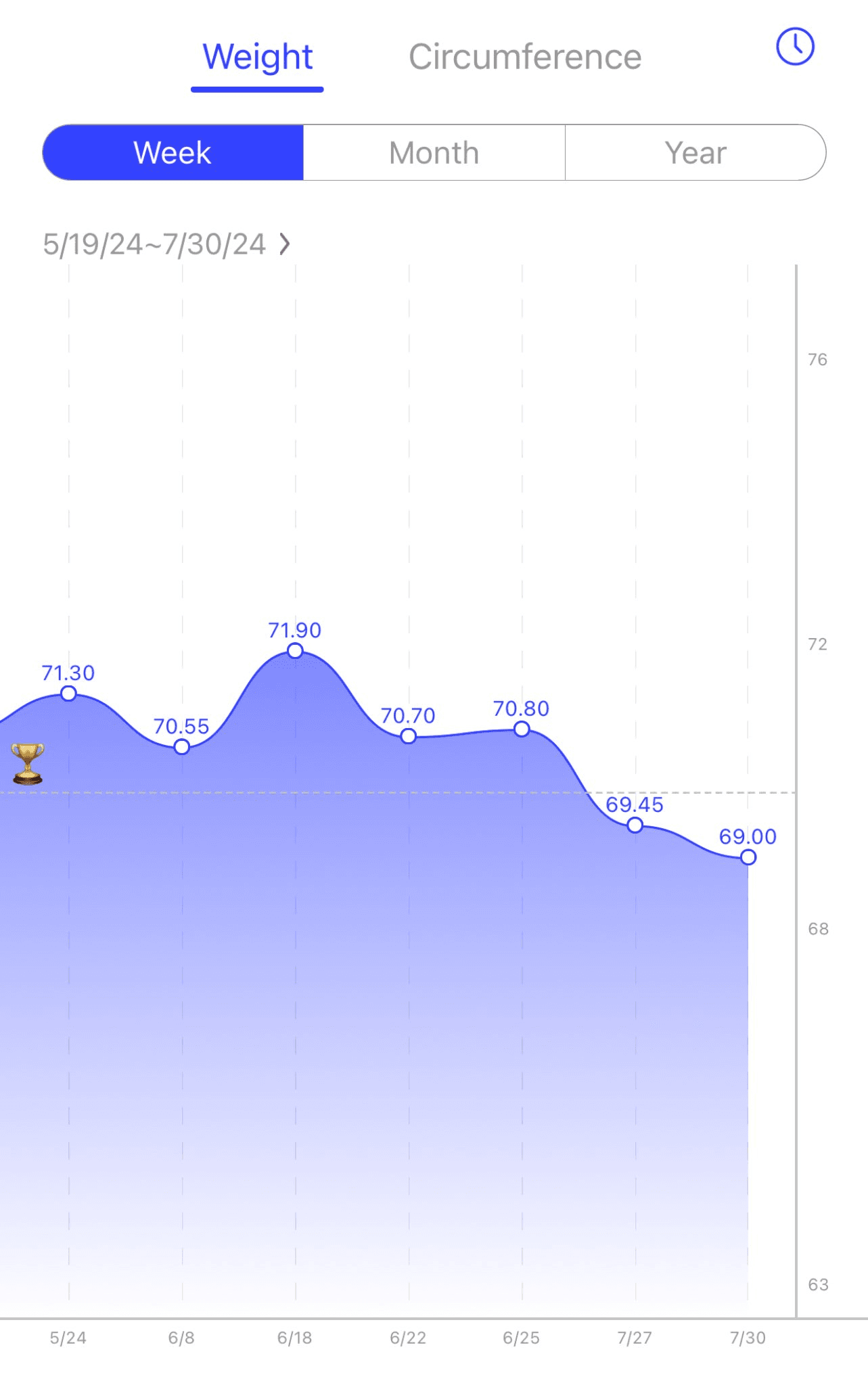
- Weight management -- Restricting your eating window naturally reduces calorie intake. Studies show significant weight loss in the majority of IF participants.
- Improved blood sugar and insulin sensitivity -- IF can reduce fasting insulin and blood sugar levels, potentially lowering diabetes risk.
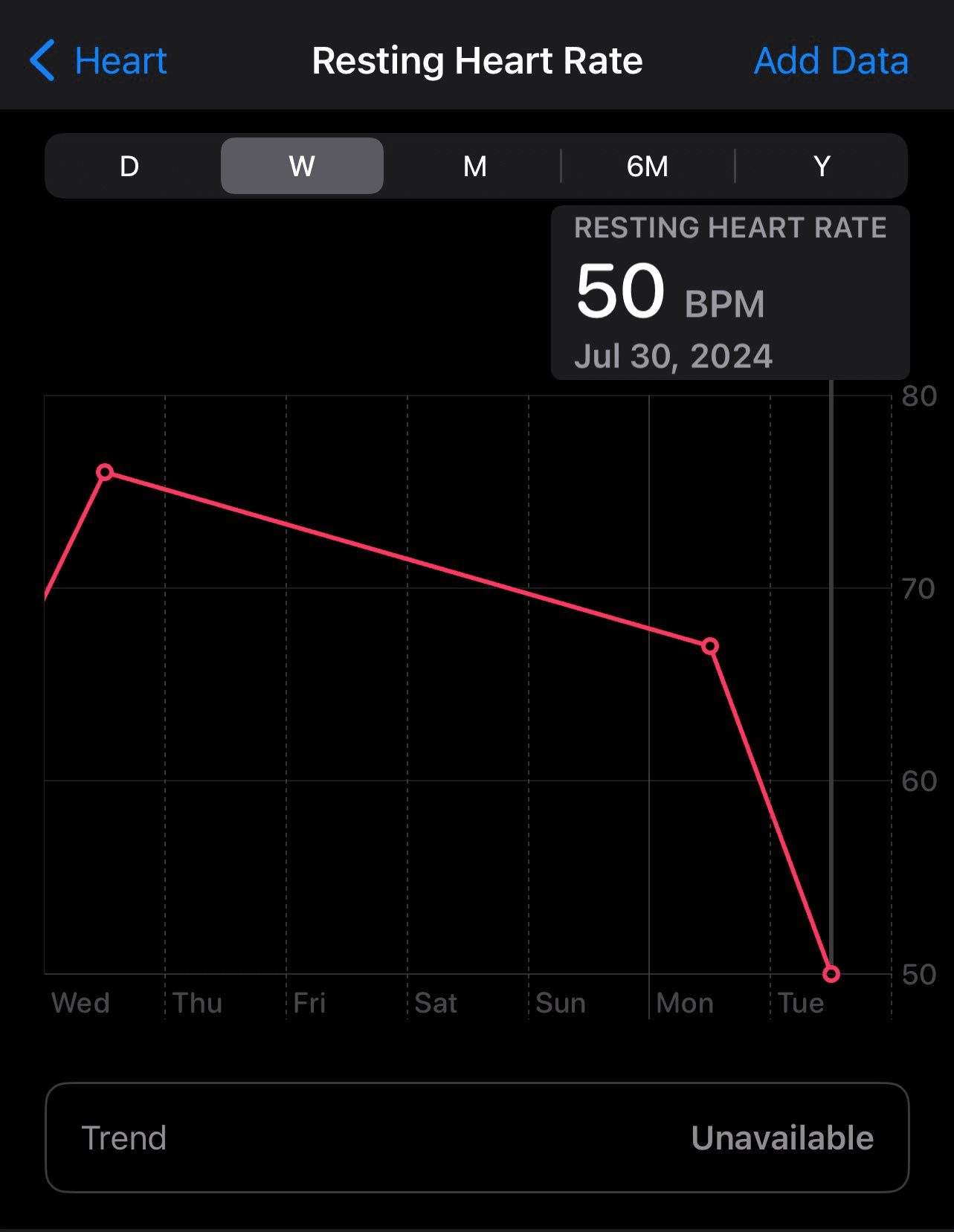
- Heart health -- Studies show IF can lower blood pressure as effectively as some medications.
- Brain health -- Research from the NIH suggests fasting may reduce the development of Alzheimer's and Parkinson's disease.
- Better sleep -- IF may enhance your circadian rhythm since overeating can disrupt sleep.
- Reduced inflammation -- Fasting reduces cortisol and inflammatory markers.
The Adjustment Period
The first two to four weeks are the hardest. You will feel hungry. You might feel cranky. This is normal. Your body needs time to switch from burning readily available sugar to burning stored fat -- what researchers call metabolic switching.
But here is the thing: people who make it through the adjustment period tend to stick with the plan because they genuinely feel better. More energy, more mental clarity, less bloating.
What to Eat During Your Window
You do not need a special diet, but you will get better results if you eat well during your window. The Mediterranean diet is a solid blueprint -- leafy greens, healthy fats, lean protein, and complex carbohydrates. Avoid the temptation to overeat during your window to "make up" for the fasting hours.
Who Should Be Careful
Intermittent fasting is not for everyone. Talk to a doctor before starting if you:
- Have diabetes (especially if on medication)
- Are pregnant or nursing
- Have a history of eating disorders
- Have low blood pressure
- Are under 18
My Take
The simplicity of IF is what makes it work. You do not need to count calories, buy special food, or follow complicated meal plans. You just need a clock and some discipline for the first few weeks. After that, it becomes automatic.
Enjoyed this post?
I write a newsletter on product, AI, and startups called The Discourse with 5K+ subscribers. Deep dives, no fluff.
Subscribe to The Discourse →