The Case for an E-Ink Smartphone
· 4 min read
The allure of high-saturation, high-brightness OLED screens keeps pulling us in. Endless notifications, infinite scrolling, dopamine-driven design -- our smartphones are engineered to be addictive. But what if there was a phone designed to do the opposite?
I think there is a gap in the market for a dedicated e-ink smartphone.
The Problem
We all know the feeling. You pick up your phone to check one thing and 45 minutes later you are deep in a thread about something completely unrelated. OLED screens are gorgeous, and that is exactly the problem. They are designed to captivate. Every app, every notification, every piece of content is fighting for your attention on a display optimized to win.
This is not a willpower problem. It is a design problem.
What Exists Today
There are a few e-ink devices out there, but none quite nail the smartphone form factor:
- Onyx Boox Palma -- The closest thing to what I am describing. A pocket-sized e-ink device running Android. But it lacks network connectivity, which limits its utility as a phone replacement for those times you need to be reachable.
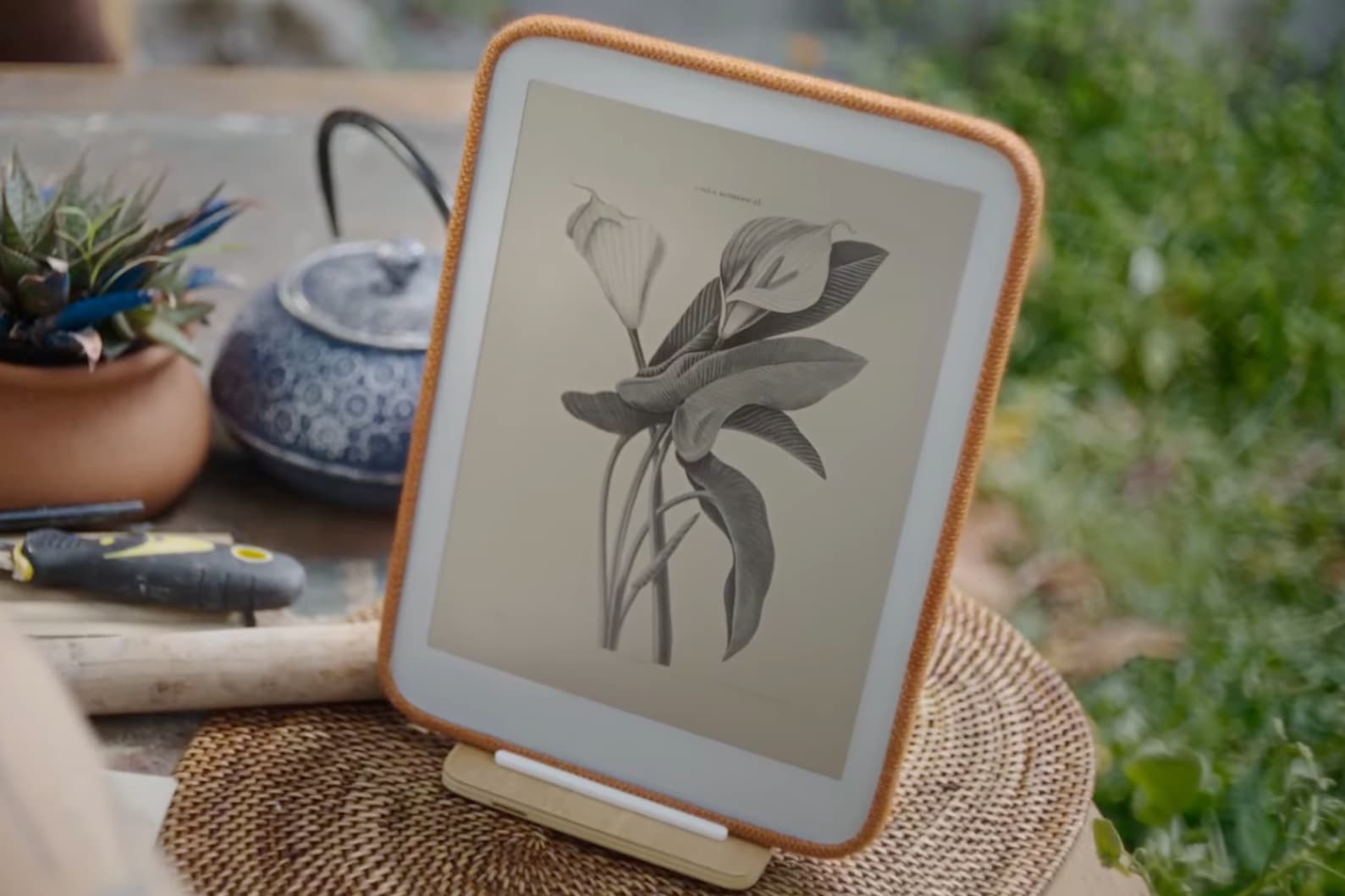
- Daylight Tablet -- A larger e-ink device focused on reading and writing. Excellent for focused work, but not pocket-sized.
- Hisense A5 -- A lesser-known e-ink phone from Hisense. It exists, but it is not widely available and the software experience is not great.
There is definitely a gap between e-readers (Kindle) and smartphones (iPhone). Something needs to fill it.
What I Would Want
Here is what an ideal e-ink smartphone would look like:
Network Connectivity
This is the dealbreaker for most existing e-ink devices. You need to be reachable for emergencies, important emails, or quick messages. Not the endless barrage of notifications from every app -- just the essentials.
Sleek, Bezel-Less Display
E-ink does not have to look clunky. A modern, minimalist design with thin bezels and an adaptive refresh rate (as much as e-ink technology allows) would make this feel premium, not like a compromise.
Dedicated Scroll Buttons
Physical buttons for scrolling would be a game-changer. No more accidental swipes and pinches. Just clean, intentional navigation -- especially useful for reading long-form content.
Smart, Minimalist Interface
A custom Android launcher focused on what matters:
- Reading apps: Kindle, Play Books, Pocket, Readwise, Matter
- Audio apps: Podcasts, Audible, Spotify (audio only)
- Communication: Phone, Messages, Email (stripped down)
- Navigation: Maps for when you need directions
No social media. No YouTube. No infinite scroll. The interface should make it easy to do focused tasks and hard to fall into distraction.
Why This Matters
Reduce Distractions
Imagine being present with your partner, friends, or family without the constant temptation of that addictive screen pulling you away. An e-ink phone makes it physically harder to be distracted -- there is simply less to be distracted by, and the display is not designed to be captivating.
Improve Sleep
Blue light from screens suppresses melatonin and disrupts sleep. Browsing on an e-ink display before bed is fundamentally different from staring at an OLED panel. Research consistently shows that light-emitting screens disrupt sleep onset, reduce REM sleep, and delay circadian rhythms. E-ink solves this.
Read More, Scroll Less
When your phone is optimized for reading rather than scrolling, you naturally develop a habit of consuming long-form content -- books, articles, newsletters -- instead of mindlessly consuming short-form video content. Your phone becomes a tool for learning instead of a tool for distraction.
Better for Your Eyes
E-ink displays do not emit light directly into your eyes. They reflect ambient light, just like paper. For anyone who spends all day looking at screens for work, having a phone that gives your eyes a break is a real benefit.
The Market Opportunity
The wellness tech space is growing. People are actively looking for ways to reduce screen time, improve their relationship with technology, and be more present. An e-ink smartphone sits at the intersection of these trends.
The Light Phone proved there is demand for minimalist phones. But the Light Phone is too minimal for most people -- they still need maps, email, and the ability to read. An e-ink smartphone is the middle ground: connected enough to be functional, calm enough to not be addictive.
The Bottom Line
We need a pocket-sized, network-connected, beautifully designed e-ink device that makes reading easy and distraction hard. The technology exists. The demand exists. Someone just needs to build it.
Enjoyed this post?
I write a newsletter on product, AI, and startups called The Discourse with 5K+ subscribers. Deep dives, no fluff.
Subscribe to The Discourse →