How to Make Meditation a Sticky Habit
· 5 min read
Everyone knows meditation is good for them. The research is overwhelming -- reduced anxiety, improved focus, better emotional regulation, increased resilience. Yet most people who try meditation quit within the first few weeks.
The problem is not motivation. It is habit design.
Here is how to make meditation stick, drawing from habit science and my own experience with building a daily practice.
Why Meditation Habits Fail
Before getting into solutions, it helps to understand why meditation habits fail in the first place:
- Unrealistic expectations. People expect to clear their mind completely on day one. When they cannot, they feel like they are failing and quit.
- Too ambitious too soon. Starting with 30-minute sessions is a recipe for burnout. The activation energy is too high.
- No cue or trigger. Without a specific time and place, meditation gets crowded out by everything else.
- No immediate reward. The benefits of meditation compound over time, but the experience itself -- especially early on -- can feel frustrating.
The solution is to design the habit, not rely on willpower.
The Framework
1. Start Absurdly Small
Commit to just 2 minutes a day. That is it. You can do more if you feel like it, but all you are committing to is 2 minutes.
This is based on the principle that consistency matters more than duration. A 2-minute daily practice is infinitely more valuable than a 30-minute practice you do once a week.
The goal in the early stages is not to meditate deeply -- it is to build the identity of someone who meditates daily.
2. Use Habit Stacking
Attach meditation to an existing routine. James Clear calls this "Habit Stacking" in Atomic Habits:
After/Before [CURRENT HABIT], I will meditate for [X] minutes.
Examples:
- After I pour my morning coffee, I will meditate for 2 minutes.
- Before I open my laptop for work, I will meditate for 5 minutes.
- After I brush my teeth at night, I will meditate for 2 minutes.
The existing habit becomes the trigger. You do not have to remember to meditate -- your routine reminds you.
3. Same Time, Same Place
Thinking "same time, same place" will help turn meditation into a fully established habit. Have a specific spot -- a cushion, a chair, a corner of the room -- that becomes your meditation spot. Over time, just sitting in that spot will cue your brain to shift into a meditative state.
4. Let Go of Expectations
One of the biggest misunderstandings about meditation is that you must "clear" or "empty" the mind. If you cannot do that, you have failed.
This is not true. The mind will always think. Meditation is not about stopping thoughts -- it is about noticing them without getting carried away. Every time you notice your mind has wandered and bring your attention back, that is the practice working. That is a rep.
A "bad" meditation session where your mind wanders constantly is still a successful session if you showed up and sat.
5. Make It Easy
Reduce friction wherever possible:
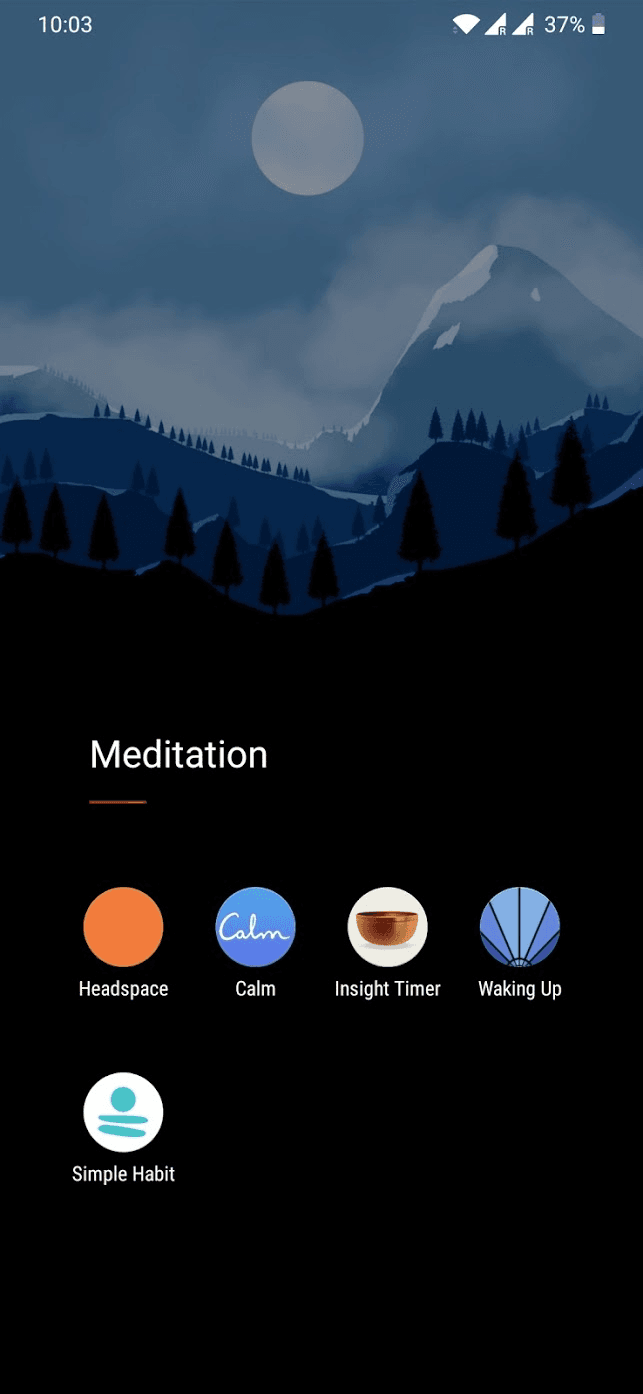
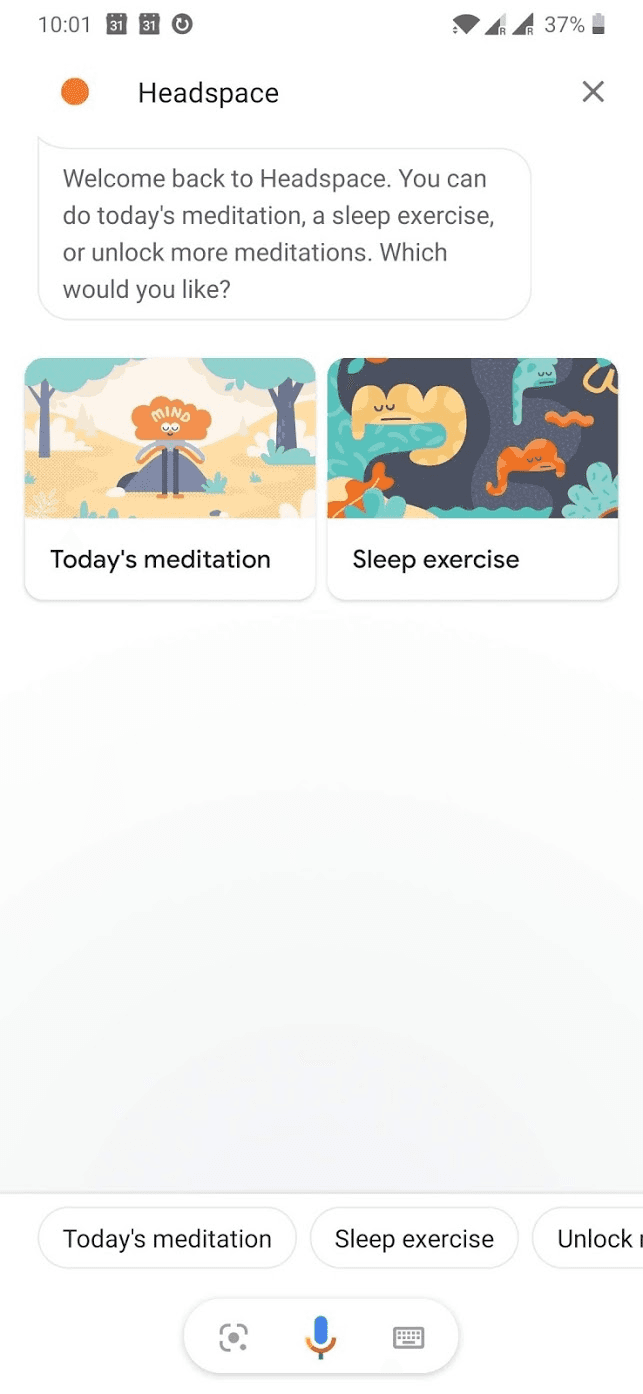
- Use a guided meditation app like Headspace or Calm so you do not have to figure out what to do.
- Keep your meditation cushion visible -- do not store it in a closet.
- Wear your regular clothes. You do not need special meditation attire.
- Do not wait for the perfect moment. Perfect conditions never arrive.
6. Track Your Streak
There is power in not wanting to break a streak. Use a habit tracker -- an app, a calendar with Xs, a notebook -- to mark each day you meditate. The visual evidence of consistency becomes its own motivation.
After a few weeks, the streak itself becomes a reason to sit. You do not want to lose those 14 consecutive days.
7. Make It Fun
Meditation has the most chance of becoming a habit when you approach it with curiosity rather than obligation. Experiment with different types:
- Breath-focused meditation -- The classic. Follow the breath.
- Body scan -- Systematically notice sensations from head to toe.
- Loving-kindness (metta) -- Send goodwill to yourself and others.
- Walking meditation -- Meditate while walking slowly and deliberately.
- Open awareness -- Sit and observe whatever arises without directing attention.
Find what you enjoy. If you dread your meditation practice, you will not sustain it.
The Compound Effect
The benefits of meditation are not linear -- they compound. After a few weeks of consistent practice, you start to notice:
- More space between stimulus and response. You react less impulsively.
- Better sleep quality. The mind quiets down more easily at night.
- Improved focus. You can sustain attention for longer periods.
- Emotional awareness. You notice feelings arising before they take over.
These benefits are subtle at first, but they build on each other. The person who meditates for 2 minutes a day for a year has a fundamentally different relationship with their mind than they did at the start.
Final Thought
You do not need to become a monk. You do not need to sit for an hour. You do not need to clear your mind. You just need to show up for 2 minutes, every day, in the same place, at the same time.
If you build trust in the practice by seeing the positive effects for yourself, meditation will stop being something you have to force and start being something you look forward to.
Start today. Two minutes. That is all.
Enjoyed this post?
I write a newsletter on product, AI, and startups called The Discourse with 5K+ subscribers. Deep dives, no fluff.
Subscribe to The Discourse →